
-
 By Svsupadmin
- 21/08/2025
- 0 Comments
- Historical
A Deep Dive into the History of Indian Fishermen
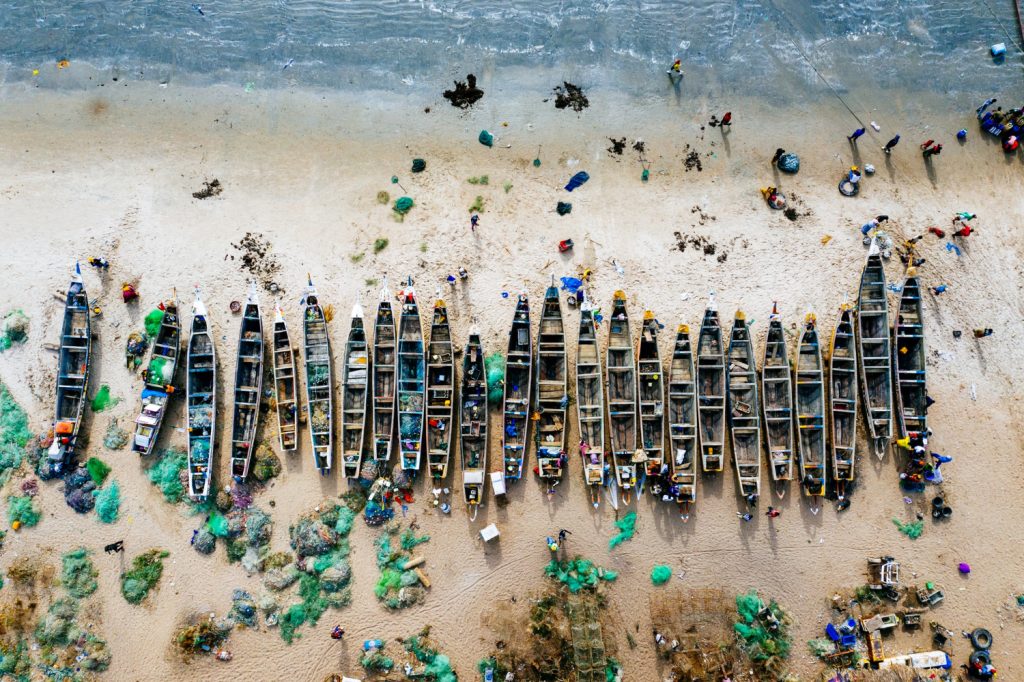
India, with its vast coastline stretching over 7,500 kilometers and rich network of rivers, has been home to some of the world’s oldest and most vibrant fishing communities. The history of Indian fishermen is not just about catching fish — it is a story of cultural heritage, traditional wisdom, resilience, and a deep connection with nature.
Ancient Roots: A Tradition as Old as Civilization
Fishing in India dates back thousands of years. Evidence from the Indus Valley Civilization (c. 3300–1300 BCE) shows that fishing was a vital activity, with fish remains and fishing tools found at sites like Mohenjo-daro and Harappa.
In ancient Indian texts like the Rigveda, Manusmriti, and Mahabharata, references to fishing and marine life appear frequently, often symbolizing sustenance, livelihood, or spiritual significance. Coastal kingdoms such as Kalinga and Chola relied heavily on fishing and maritime trade, with Tamil fishermen known for their long-distance sea voyages.
Traditional Knowledge and Indigenous Techniques
For centuries, Indian fishermen developed highly specialized and sustainable fishing techniques suited to their regions. Here are a few:
- Catamarans and vallams (small wooden boats) were widely used along the coasts of Tamil Nadu and Kerala.
- Chinese fishing nets in Kerala, introduced by traders from the East, became iconic for their elegant and effective design.
- Tide fishing, hand-lining, and trap fishing were common in both inland and marine environments.
Fishing was not just an economic activity — it was also spiritual. Many fishing communities, like the Mogaveera in Karnataka or the Koli in Maharashtra, worship sea deities and observe rituals before setting out to sea.
Colonial Impact: Transformation and Exploitation
The arrival of the Portuguese, Dutch, French, and eventually the British dramatically altered traditional fishing practices. The colonial powers introduced mechanized boats, export-oriented fisheries, and new markets, often disrupting local economies.
Many Indian fishermen were pushed into labor roles, working for colonial fish-processing companies or becoming part of deep-sea commercial fleets. Traditional knowledge was devalued, and overfishing began to emerge as a threat.
Post-Independence: Growth and Modernization
After 1947, India invested heavily in modernizing its fishing industry to meet food demands and boost exports. Mechanized trawlers, cold storage facilities, and fishery research institutes were introduced.
However, this modernization came with challenges:
- Small-scale fishermen often couldn’t compete with industrial fleets.
- Environmental issues like coastal erosion, pollution, and declining fish stocks began to impact livelihoods.
- Conflicts over fishing rights, especially in border regions like Tamil Nadu and Sri Lanka, became common.
Despite this, India’s fisheries sector has grown exponentially — today it is the second-largest fish producer in the world, supporting over 14 million people, many of them from marginalized coastal communities.
The Cultural Mosaic of Fisherfolk
Fishing communities in India are as diverse as the country itself. Each region brings its own customs, festivals, and dialects:
- The Koli community of Mumbai is known for their vibrant Narikoli dance and the annual Narali Purnima, where fishermen offer coconuts to the sea.
- The Karaiyar and Paravar communities of Tamil Nadu have ancient roots and were once involved in pearl diving.
- In Bengal, the Malo and Jalia Kaibarta are riverine fishing castes with deep connections to the Ganga and its tributaries.
- The Meen community in Kerala combines fishing with unique Christian and Hindu traditions.
Resilience in the Face of Modern Challenges
Today, Indian fishermen face a complex mix of challenges: climate change, declining catch, urban development, plastic pollution, and regulatory hurdles. Yet, they continue to adapt — embracing GPS navigation, sustainable aquaculture, and collective bargaining through cooperatives.
Grassroots movements have emerged to protect their rights and the environment, including campaigns against destructive trawling and for marine conservation zones.
Conclusion: The Soul of the Sea
The history of Indian fishermen is a living tapestry of tradition and transition. From the ancient riverbanks of the Ganges to the stormy shores of the Arabian Sea, these communities have shaped the subcontinent’s culture, economy, and culinary legacy.
As India moves forward, preserving the heritage and rights of its fishing communities is vital — not only for their survival but for the health of the oceans, rivers, and ecosystems they have protected for generations.
